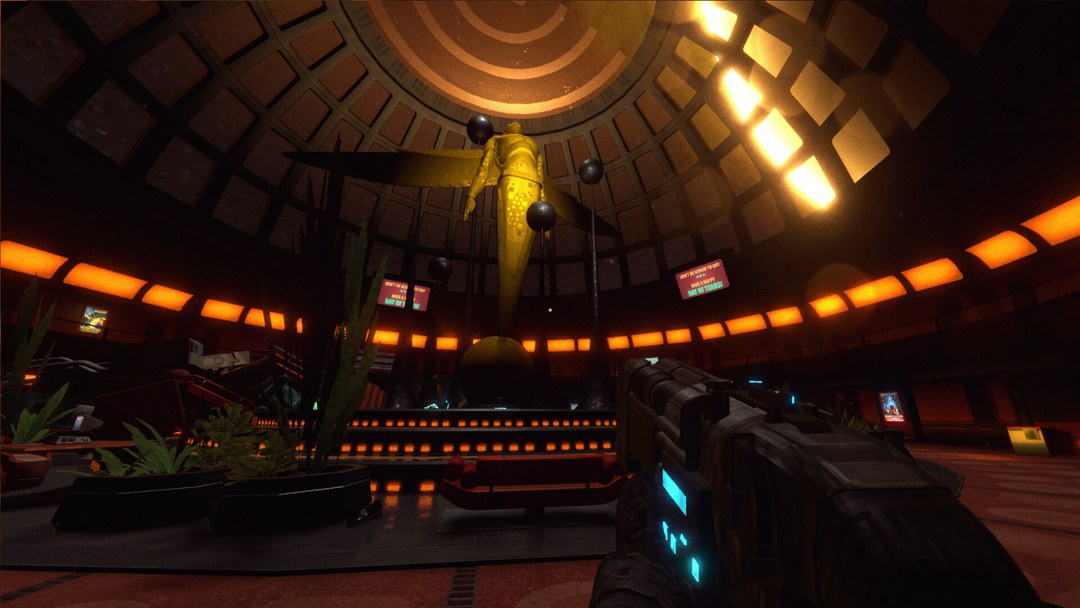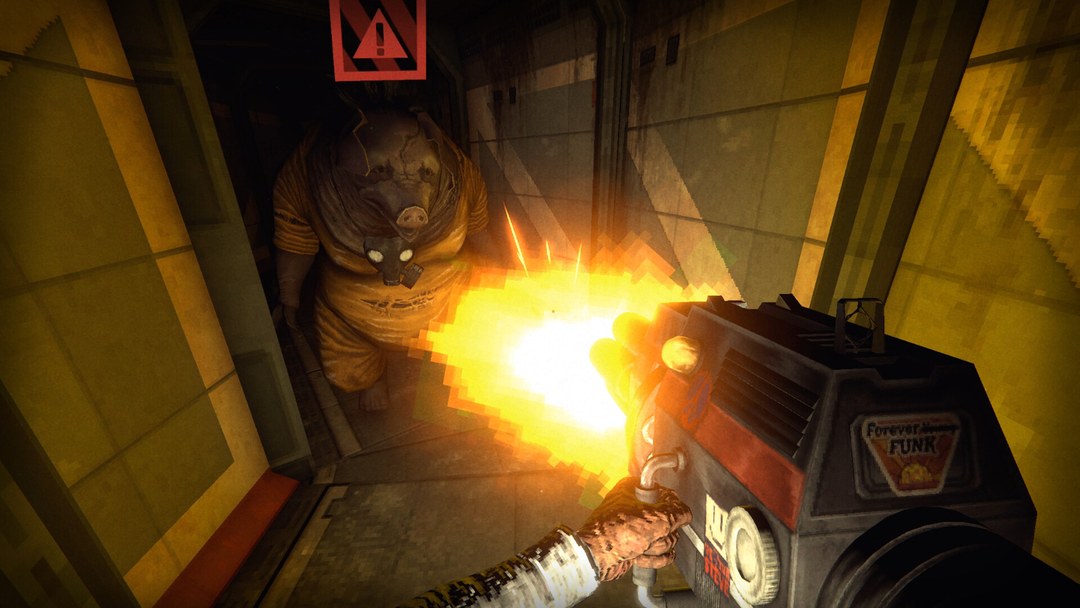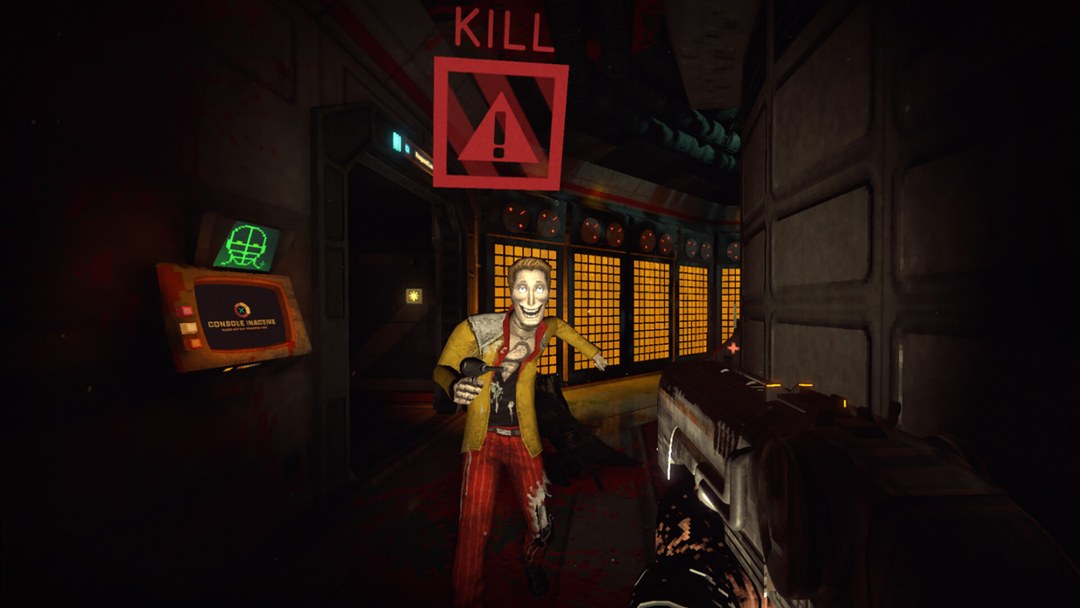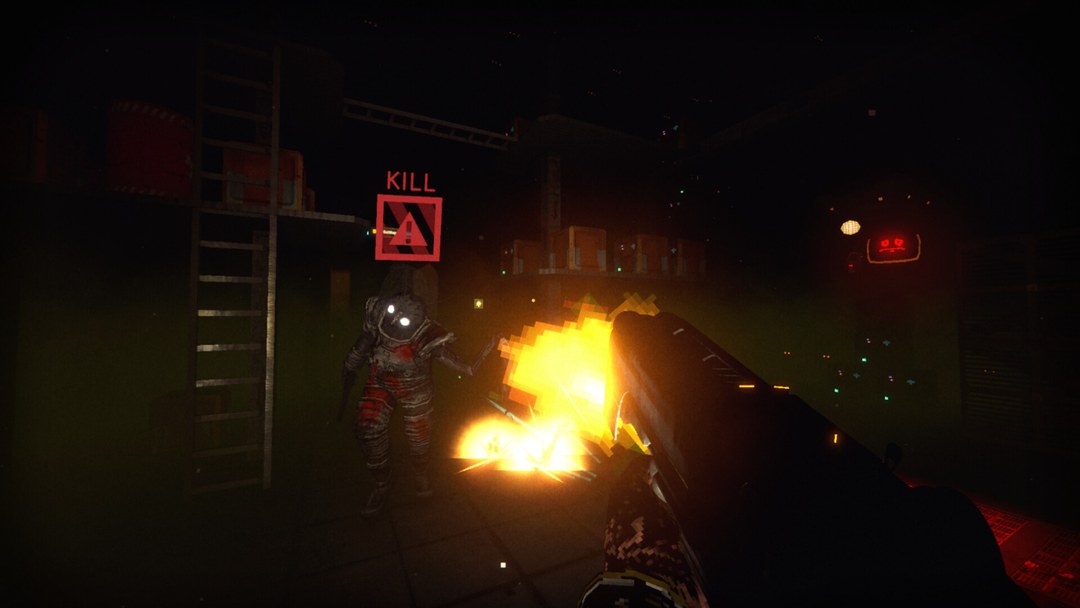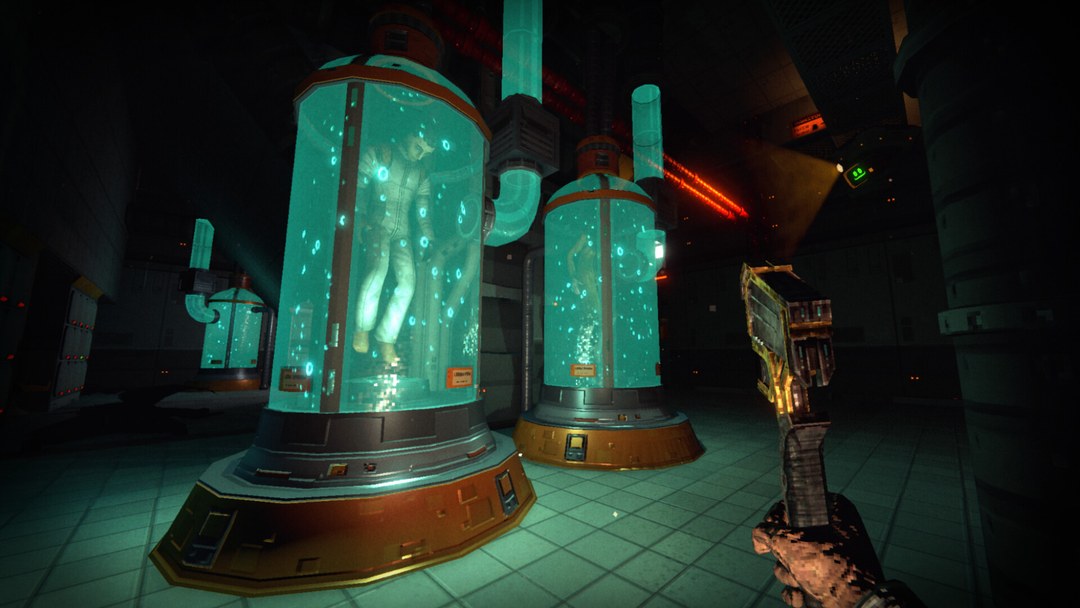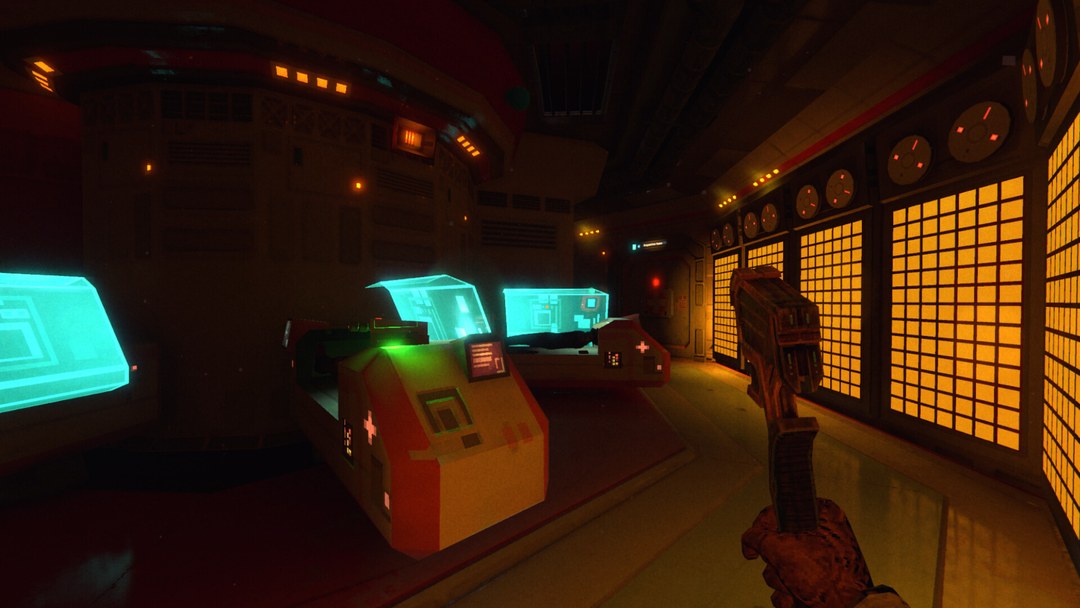
Death, cloning and rebirth
Dying spawns a new clone with cloning errors; your old body keeps your gear, and going back to it lets you recover equipment and draw genes.
Dying in RetroSpace is not a reload screen. The station can print an infinite number of clones of you, and every death leaves a body — with your gear, and with genes you may want back. Cloning, however, is never perfect.
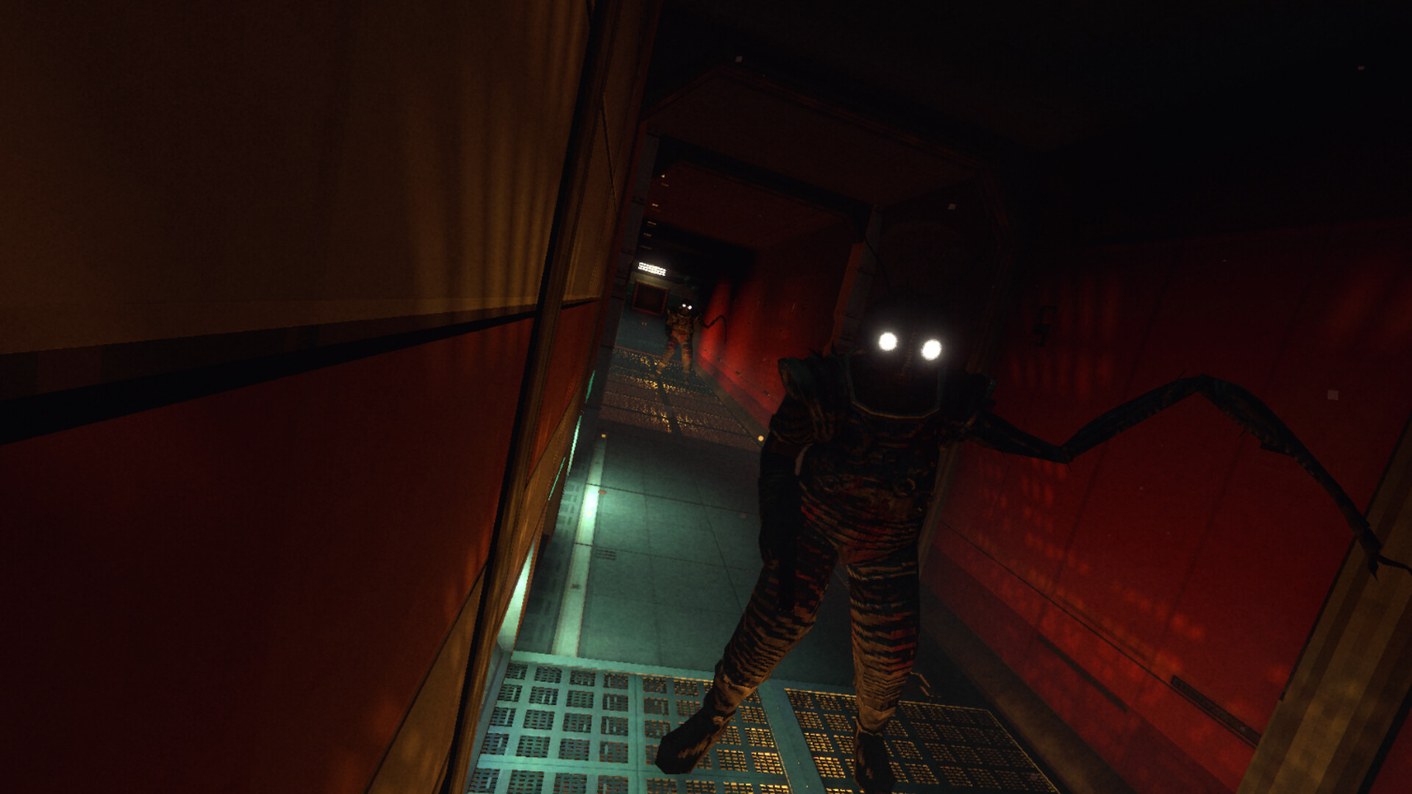
That makes death a resource question: what do you go back for, and what do you abandon?
The loop, as the official material describes it
- You die somewhere on Aurora 5.
- The station produces a new clone of you. Cloning is imperfect, so the clone carries degeneration — the game's own term for this is cloning errors.
- Your previous body is still out there with your equipment.
- Returning to the corpse lets you recover gear, and — per the demo's first major update — extract genes if you want to clear the cloning error.
- Repeated resurrections have consequences, which is the official phrasing for the accumulation problem.
Why this changes how you play
| The instinct | What RetroSpace actually rewards |
|---|---|
| Carry every valuable item while exploring | Travel light into unknown sectors; your loot dies with the body that carried it |
| Reload after a bad death | Decide whether the recovery trip is worth it — sometimes the answer is no |
| Fight everything for practice | Every fight you lose costs a round trip; avoidance is cheaper |
| Ignore the clone state | Degeneration is the tax you pay for dying repeatedly, and it is a system, not a visual effect |
Item loss and difficulty
The demo's medium difficulty no longer strips your inventory on death after the first major update — you keep your items, and the recovery trip is about genes and gear left on the body. The developer framed that change as giving players room to experiment while keeping the survival-horror edge.
Treat it as the demo's tuning, not a rule of the retail build. The safest reading is: the clone loop exists, its severity is a difficulty setting, and the gene/equipment recovery trip is the version of it the developers consider canonical.
Build 6584: three auto-saves and three quick saves
Janitors' Patch #2 expands the previous two-slot sets to three auto-saves and three quick saves. With protected quicksaves, both sets give you six saves to compare when choosing a point to return to.
Save and Exit works in 1999 and Russ Kurtell modes without turning on protected quicksaves. Use the named menu action when leaving a session; changing the checkbox is no longer a prerequisite for that action in these modes. A normal exit and Save and Exit remain different choices.
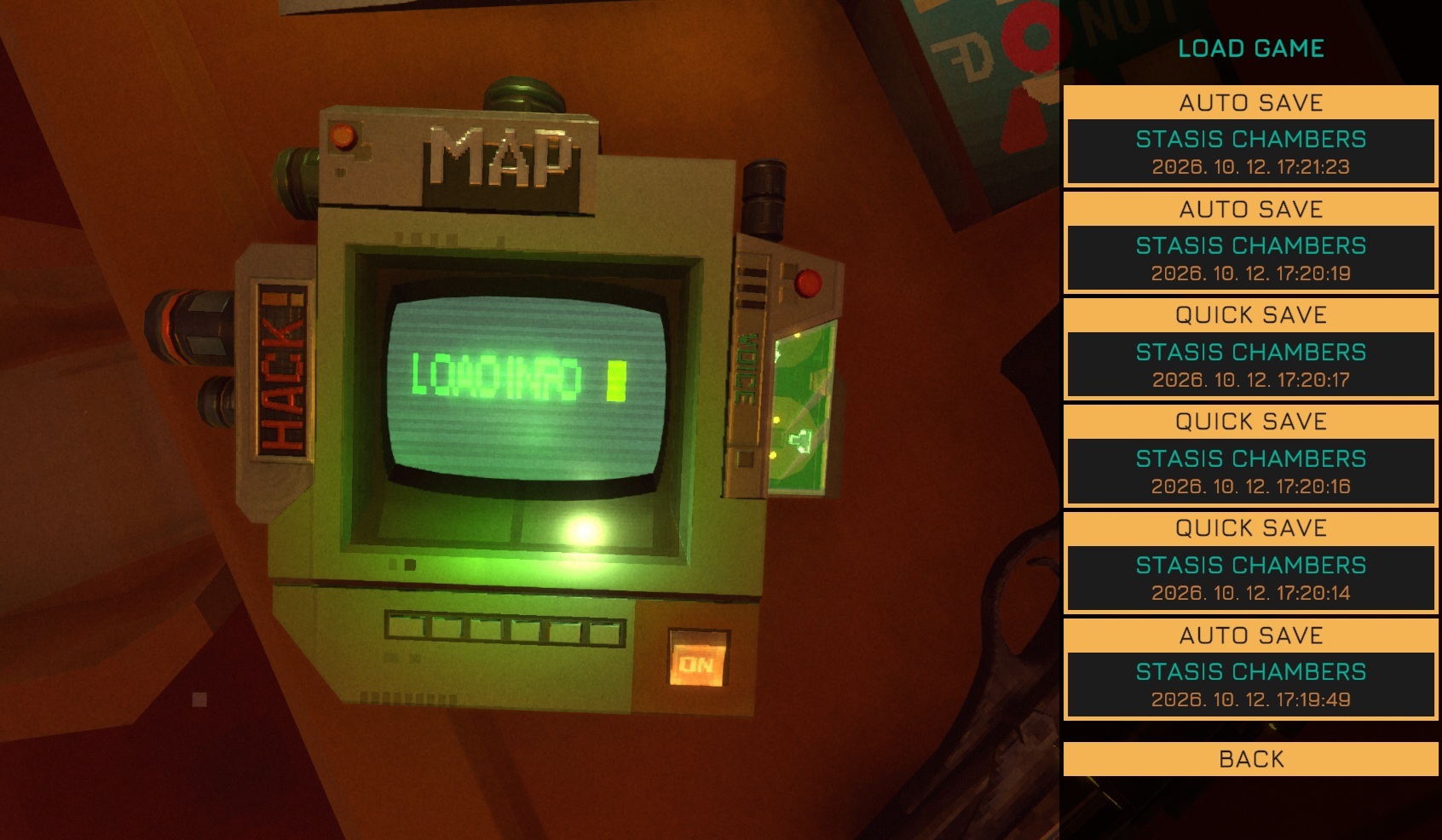
The auto-save in the Janitors' Haven hallway comes from Patch #1 and remains a useful return point. Before a risky experiment, keep an earlier save you can recognise rather than assuming that a new auto-save preserves every previous decision. For the Dahlia/Machine Brain blocker, the route checks explain why restarting the campaign is unnecessary after the fix.
Practical habits
- Set a re-entry marker. Know the route back to the sector before you commit to a fight there.
- Bank progress, not loot. Shortcuts, unlocked terminals and quick saves are the things that survive a bad clone.
- Do not stack deaths in one room. Two corpses in the same corridor usually means your approach is wrong, not your reflexes.
- Read what the game tells you about the current cloning error before meta-gaming it; the second major demo update re-tuned the whole system and the effects of specific errors.
- Save on the way out. Since Janitors' Patch #1 (7 October 2026) the game auto-saves in the Janitors' Haven hallway and the menu has a Save and Exit option, so a run no longer has to reach a save point before you can quit.
Choose the recovery method deliberately
Before returning to a corpse, read the active cloning error and compare the journey with the earlier saves you still have. Recovering equipment from a body and loading an earlier save solve different problems. Keep a recognisable earlier save while checking a quest repair, rather than assuming that a fresh auto-save preserves the state before a bad decision.